Internationalisation of Terrorism Worsening Nigeria's Security Crisis, NIIA Professor Warns
Home -
News
Internationalisation of Terrorism Worsening Nigeria's Security Crisis, NIIA Professor Warns
Internationalisation of Terrorism Worsening Nigeria's Security Crisis, NIIA Professor Warns
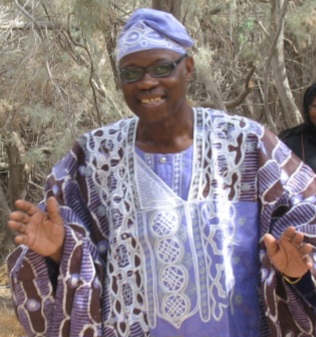
A Research Professor at the Nigerian Institute of International Affairs (NIIA), Olufemi Otubanjo, has raised concerns over the growing internationalisation of terrorism in the Sahel region, warning that the trend is contributing significantly to Nigeria's worsening security challenges.
Speaking during an exclusive interview on Frontline, a current affairs programme on Eagle 102.5 FM, Ilese-Ijebu, Ogun State, Otubanjo said insurgency in Nigeria has evolved beyond the activities of Boko Haram and now reflects a broader regional crisis driven by the movement of armed groups across national borders.
According to him, insurgents and criminal elements fleeing conflicts in neighbouring countries and other parts of Africa are increasingly finding their way into Nigeria, exploiting weakly governed spaces to establish criminal networks.
He noted that some foreign nationals, including individuals from Sudan and other conflict-ridden countries, have reportedly become involved in banditry and kidnapping activities within the country.
"The problem is that insurgency has become so international. It used to be Boko Haram alone, but it looks like insurgents are running away from different parts of the world, including Sudan," he said.
The international relations scholar attributed part of the growing instability in the Sahel to climate change, arguing that environmental degradation, desert encroachment and shrinking economic opportunities have displaced large populations.
According to him, many people are migrating southward after losing their homes, farms and means of livelihood.
Otubanjo stressed, however, that many migrants arriving in southern Nigeria should not automatically be viewed as security threats.
He explained that a significant number are economic migrants fleeing poverty, unemployment and insecurity rather than individuals linked to terrorist organisations.
Despite the persistent security challenges facing the country, the professor maintained that it would be unfair to suggest that the Federal Government and security agencies are inactive in the fight against terrorism and banditry.
He described counter-insurgency operations as a gradual process requiring sustained military action, intelligence gathering and regional cooperation rather than expecting immediate results.
He acknowledged the sacrifices being made by security personnel, noting that soldiers continue to lose their lives in efforts to restore peace in troubled parts of the country.
While declining to give a definitive assessment of President Bola Tinubu's record on terrorism, he said the government was actively working to address the crisis.
The professor also dismissed claims that diplomatic tensions between Nigeria and some military-led governments in the Sahel had worsened insecurity.
According to him, countries such as Niger, Mali and Burkina Faso are themselves battling serious insurgency threats and remain engaged in regional security cooperation through multinational arrangements aimed at combating terrorism.

 By Adewale Adewale