Terrorists Kidnapped 91, Killed 15 Health Workers in Three Years – Report
Home -
News
Terrorists Kidnapped 91, Killed 15 Health Workers in Three Years – Report
Terrorists Kidnapped 91, Killed 15 Health Workers in Three Years – Report
Armed groups, criminal bandits, and terrorist organisations kidnapped 91 health workers and killed 15 others in 101 separate attacks on healthcare facilities across Nigeria between 2023 and 2025, according to a new international conflict monitoring report.
The findings are contained in 'Care in the Crosshairs: Violence Against Health Care in Conflict 2025', published on July 17, 2026, by the Safeguarding Health in Conflict Coalition using data from Insecurity Insight's global monitoring system.
The report revealed that attacks on healthcare facilities reached a three-year high in 2025, with 43 incidents, up from 34 in 2024 and 24 in 2023.
The violence also spread geographically, affecting 16 states in 2025, compared to 12 states in the previous year.
New incidents were recorded in Anambra, Adamawa, Kano, Ondo, Edo, and Nasarawa.
According to the report, 25 of the abducted health workers remain missing, while only 10 were confirmed released.
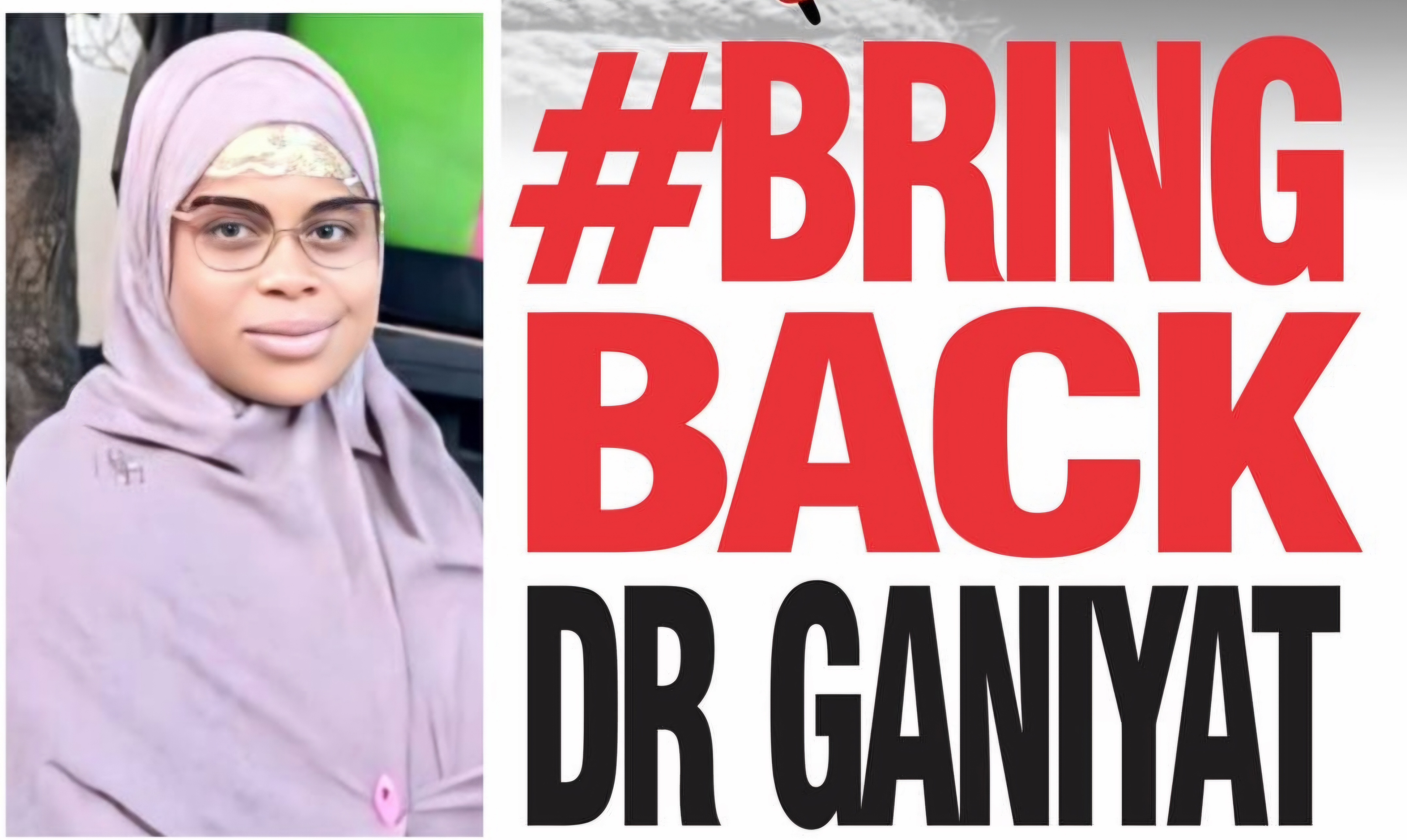
In one tragic case, a doctor who was kidnapped after being shot in late December 2025, released in January 2026, was later shot dead upon returning to work.
The report showed a steady increase in violence over the three-year period:
Although slightly fewer workers were abducted in 2025 than in 2024, the number of kidnapping incidents increased significantly, reflecting a growing trend of targeted attacks.
The coalition noted that 95 per cent of kidnappings in 2025 occurred outside Nigeria's North-East, particularly in the North-West and North-Central, where kidnapping for ransom has become widespread.
Victims included doctors, surgeons, pharmacists, clinic owners and drivers, who were abducted from hospitals, clinics, highways and illegal checkpoints.
While many kidnappings were motivated by ransom demands, some health workers were reportedly seized to provide medical treatment to wounded fighters.
Violence intensified in Zamfara State, where attacks nearly tripled compared to 2024, contributing to the displacement of more than 74,600 people between December 2025 and May 2026.
The report attributed the attacks to a range of perpetrators, including unidentified gunmen, militia groups, Fulani militants, ISWAP, and Boko Haram.
Militia groups in Katsina were linked to attacks on health centres that left workers dead or injured, while militia groups in Zamfara abducted a health worker during a road ambush.
ISWAP was blamed for five attacks in Borno, Adamawa, and Yobe, involving raids on health facilities, arson, and the looting of medicines and food supplies.
Boko Haram fighters also reportedly ambushed an ambulance in Borno, injuring the driver and stealing the vehicle.
The report further alleged that security agencies arrested some health workers in Katsina, Niger, and Sokoto over suspected links to armed groups.
It also cited an airstrike targeting militants that inadvertently killed a health worker who was treating an injured fighter.
Among the fatalities was a physiotherapist killed when gunmen invaded the University of Benin Teaching Hospital in Edo State, an incident that triggered protests by hospital staff.
In another attack in Kaduna State, gunmen stormed a nursing and maternity centre, abducting a health worker, a security guard and five patients, including a woman who was nine months pregnant and a nursing mother with her infant.
The report warned that the escalating insecurity has compounded existing challenges in Nigeria's healthcare sector, particularly following the 2025 suspension of USAID health funding by the Trump administration.
It noted that Nigeria had received about $8 billion in U.S. health assistance between 2022 and 2024, but the funding freeze led to the loss of an estimated 28,000 health sector jobs.
To mitigate the impact, the report noted that the 2026 federal budget included an additional $200 million for the health sector, though concerns remain over the ability of the system to cope with both insecurity and funding shortages.